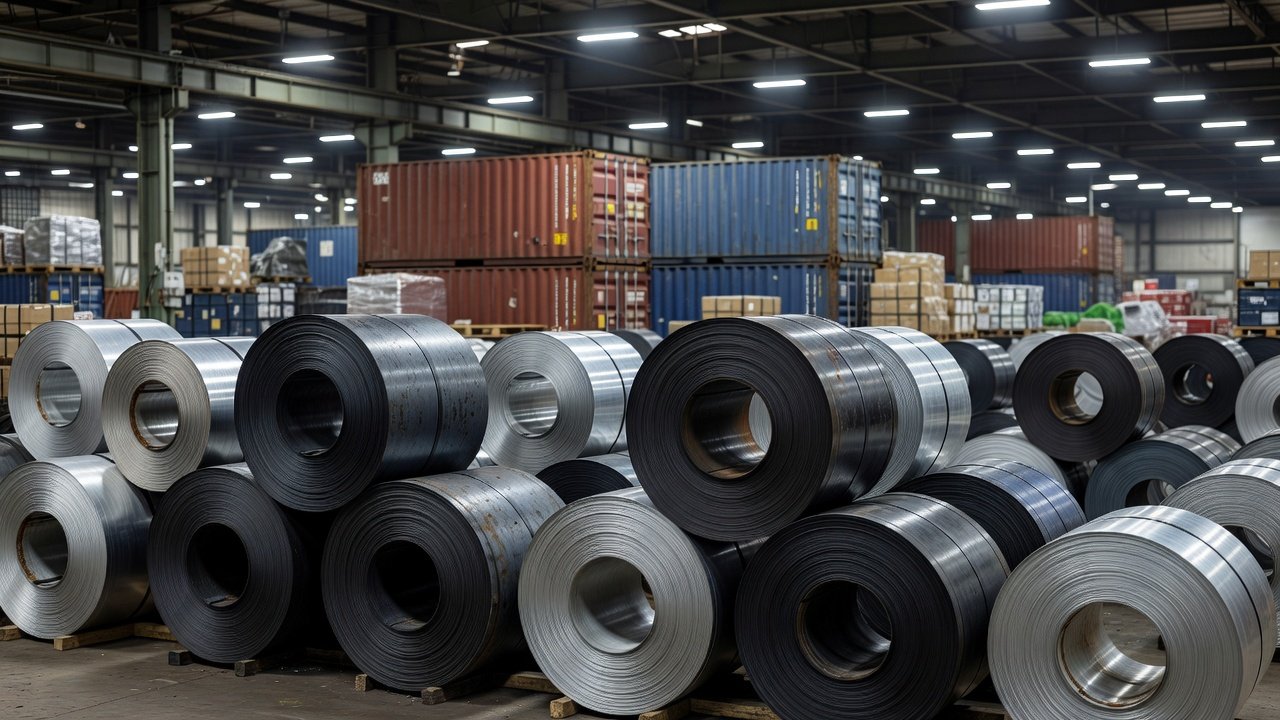
A proclamation that took effect June 8, 2026 restructured the Section 232 tariff regime on steel, aluminum, and copper, and the change is large enough that any procurement team with metal-content exposure should re-run its landed-cost models this quarter rather than next. The headline shift is mechanical but expensive: duties now apply to the full customs value of covered products and derivatives, not just the declared value of the metal inside them, and the rate structure has moved from flat percentages to a tiered framework reportedly spanning 0% to 50% across five annexes.
If your supply chain touches fabricated metal components, finished machinery, or anything assembled from imported steel, aluminum, or copper, the dollar impact of this change is rarely captured by a simple rate comparison. The base on which the rate is applied moved, and that is where the surprises live.
What Actually Changed on June 8
The June 8 action follows an earlier April 6, 2026 modification and is described as temporary, running through December 31, 2027. Several mechanics matter for buyers:
Full customs value is now the base. Under the prior approach, many derivative articles were dutied only on the value of their actual steel, aluminum, or copper content. As reported across multiple trade-compliance advisories, duties now apply to the entire customs value of covered products — including derivatives — regardless of how much of that value is metal. A component that is 30% metal by value no longer enjoys a 70% reduction in its dutiable base.
A tiered annex structure replaced flat rates. The proclamation is reported to organize covered goods across five annexes carrying different rates. Primary metal articles — raw steel, aluminum, and copper products — sit at the top of the structure at a reported 50%. Derivative products with substantial metal content are reported at 25%.
A 15% de minimis exception exists for low-metal goods. Products in which the aggregate weight of steel, aluminum, and copper inputs is less than 15% of total product weight may qualify for an exception — generally limited to articles not classifiable within HTSUS chapters 72, 73, 74, and 76 (iron and steel, articles thereof, copper, and aluminum). This is a weight test, not a value test, and it is one of the few off-ramps in the new structure.
Certain equipment categories got a reduced tier. The June 8 changes expanded eligibility for a reduced 15% rate to include categories such as agricultural machinery, residential HVAC systems and components, and certain construction, mining, and energy equipment. Buyers in those categories should confirm whether their specific HTS classifications fall inside the reduced tier rather than assuming the 50% headline applies.
The Full-Customs-Value Shift Is the Real Cost Driver
The move from metal-content basis to full-value basis is easy to underweight. Consider a finished derivative product with a $1,000 customs value that is 25% metal by value. Under a content-based 25% duty, the dutiable base would have been roughly $250, producing about $63 in duty. Under full-value treatment at the same 25% rate, the base is the full $1,000 and the duty is $250 — roughly four times higher on an identical product at an identical rate. The rate did not move; the base did.
This is why a rate-to-rate comparison understates the change for assembled and fabricated goods. For procurement teams, the practical implication is that the products most affected are not necessarily raw coil or billet — they are the finished components and machinery where metal is a minority of value but the full price now carries the duty.
Country Treatment and the UK Carve-Out
The structure is not uniform across trading partners. Imports from the United Kingdom are reported to receive preferential treatment under the U.S.-UK Economic Prosperity Deal: UK products that would otherwise face the 50% rate are reported at 25%, and those that would otherwise face 25% are reported at 15%. The Commerce Secretary was also directed to establish a tariff-rate quota exempting a defined quantity of UK steel and aluminum from Section 232 duties, contingent on UK implementation steps.
For copper specifically, importers face a new reporting obligation: CBP requires declaration of the countries in which copper inputs were smelted and cast. Sourcing teams buying copper-bearing products should confirm their suppliers can produce smelt-and-cast origin data, because the entry cannot be filed correctly without it.
A Duty-Exposure Checklist for This Quarter
The new structure rewards buyers who know their classifications precisely. A practical sequence:
Re-classify and re-base every affected SKU
Pull the HTS code for each imported product with metal content and confirm which annex and rate now apply. Then recompute exposure against full customs value, not metal content. The exposure ranking you built before June 8 is almost certainly wrong now, because the products that move most are the ones where metal was a small share of value.
Test for the 15% weight exception
For low-metal products, determine the aggregate weight share of steel, aluminum, and copper inputs and whether the product sits outside chapters 72, 73, 74, and 76. Products that clear the weight test may avoid the duty entirely — but the determination needs documentation, not assumption.
Confirm equipment-tier eligibility
If you buy agricultural machinery, HVAC equipment, or construction, mining, or energy equipment, check whether your HTS classifications fall inside the reduced 15% tier introduced June 8. The difference between the reduced tier and the 50% primary rate is large enough to change a sourcing decision.
Verify supplier origin documentation
For copper-bearing goods, confirm suppliers can report smelt-and-cast countries. For all metal goods, require notification before any supplier changes the origin country of inputs, since an upstream origin shift can move a product between annexes without warning.
Revisit contract terms before renewal
Long-term supply agreements signed before April 2026 likely did not contemplate full-value duty treatment. Tariff pass-through allocation, material-adverse-change thresholds, and origin-change notification clauses are all worth reopening at the next renewal window.
Where to Confirm the Specifics
Because the precise annex assignments and rates carry real money, treat secondary summaries as a starting point and verify against primary sources before filing entries or repricing contracts. The presidential proclamation is published through the White House; the Bureau of Industry and Security maintains the derivative product category list; and CBP publishes Section 232 FAQs and entry guidance. The USITC Harmonized Tariff Schedule remains the authoritative reference for classifying each product and confirming which chapter and rate apply.
Buyers who built their exposure models around metal-content valuation should assume those models are now understating duty on finished and fabricated goods. The fastest way to size the gap is to re-run the highest-volume metal SKUs on a full-customs-value basis and see which line items jumped — those are the ones worth a sourcing conversation before the next purchase order goes out.